
How ERP Optimizes Warehouse-to-Production Material Movement
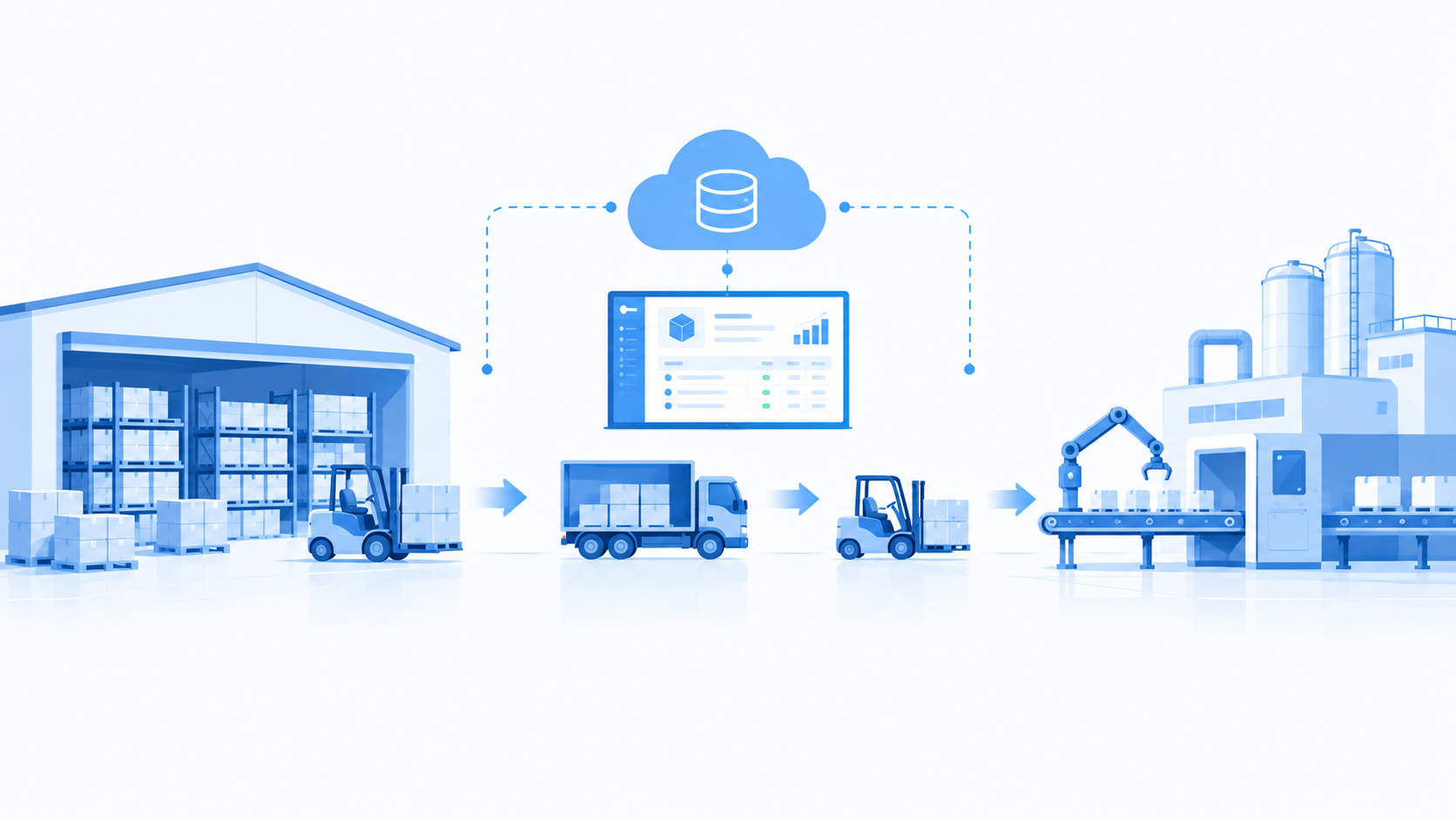
In manufacturing, production cannot run smoothly if materials do not reach the shop floor at the right time. Too early, and materials may occupy valuable warehouse space or increase handling costs. Too late, and machines and workers may sit idle.
Managing this movement manually can create delays, stock errors, and communication gaps. ERP for manufacturing helps solve this problem by connecting warehouse operations, inventory, material requirements, and production planning in one system.
Why Warehouse-to-Production Movement Matters
The journey from warehouse to production may involve several steps. Materials must be identified, picked, checked, moved, and issued to the correct production order.
When these activities are managed through paper records or disconnected systems, employees may not always know what materials are required or when they need to be delivered.
An integrated ERP system provides better visibility and helps coordinate material movement based on actual production requirements.
1. Connects Warehouse and Production
A warehouse management ERP connects inventory information with production requirements. When a production order is created, the system can identify the materials needed to complete the job.
This reduces the need for production teams to repeatedly contact warehouse staff to check material availability.
2. Improves Material Availability
Production planners need to know whether the required materials are available before scheduling work.
With inventory management ERP, businesses can view current stock levels and understand which materials are available, reserved, or already committed to other orders.
This helps prevent production delays caused by missing materials.
3. Supports Planned Material Issuing
A production order may require multiple materials in specific quantities. Material management software helps organise these requirements and supports the controlled issue of materials from the warehouse.
Instead of relying on manual requests, teams can use system-based information to determine what needs to be issued for a particular production job.
4. Reduces Unnecessary Material Movement
Poor coordination can lead to materials being moved multiple times before reaching the production floor. This increases handling effort and creates opportunities for errors.
An ERP warehouse management system provides better visibility into material requirements and locations. This helps warehouse teams plan picking and movement more efficiently.
5. Improves Material Tracking
Knowing where materials are at every stage is important for inventory control.
Material tracking software can help businesses monitor stock as it moves from warehouse storage to production. This creates a clearer record of material issues and consumption.
For manufacturers working with batches or lots, tracking can also improve traceability throughout the production process.
6. Connects Material Movement With Production Planning
Production schedules and material availability are closely connected. If a required material is unavailable, production may need to be delayed or rescheduled.
A production planning ERP can help planners consider material availability when organising production. This reduces the risk of scheduling work that cannot be completed due to missing components.
7. Improves Inventory Accuracy
Every material movement affects inventory records. If warehouse issues and production consumption are not recorded correctly, stock levels can quickly become inaccurate.
Manufacturing inventory software helps connect material movements with inventory transactions. This provides better visibility into what has been issued, consumed, and returned.
8. Reduces Communication Gaps
In many factories, warehouse and production teams operate as separate departments. This can create delays when information is exchanged manually.
An integrated manufacturing ERP software system provides a shared source of information. Warehouse teams can see material requirements, while production teams can better understand material availability and status.
This improves coordination and reduces unnecessary follow-ups.
Benefits of ERP-Based Material Movement
Manufacturers can benefit from better warehouse-to-production coordination through:
· Faster material availability
· Fewer production interruptions
· Better inventory accuracy
· Reduced manual paperwork
· Improved material tracking
· Less unnecessary handling
· Better warehouse and production coordination
· More reliable production planning
The goal is to ensure that materials are available where they are needed, when they are needed, without creating unnecessary inventory movement.
Final Thoughts
Warehouse-to-production material movement is a critical part of manufacturing efficiency. Even when sufficient inventory is available, poor coordination can prevent materials from reaching the production floor on time.
With ERP for manufacturing, businesses can connect warehouse operations, inventory, material requirements, and production planning. This creates better visibility into what materials are needed, where they are located, and when they should be moved.
For manufacturers looking to improve production flow, an integrated ERP warehouse management system can help reduce delays, improve inventory control, and ensure that the right materials reach the right production area at the right time.