
AI-Powered Quality Management: What Manufacturers Need to Know
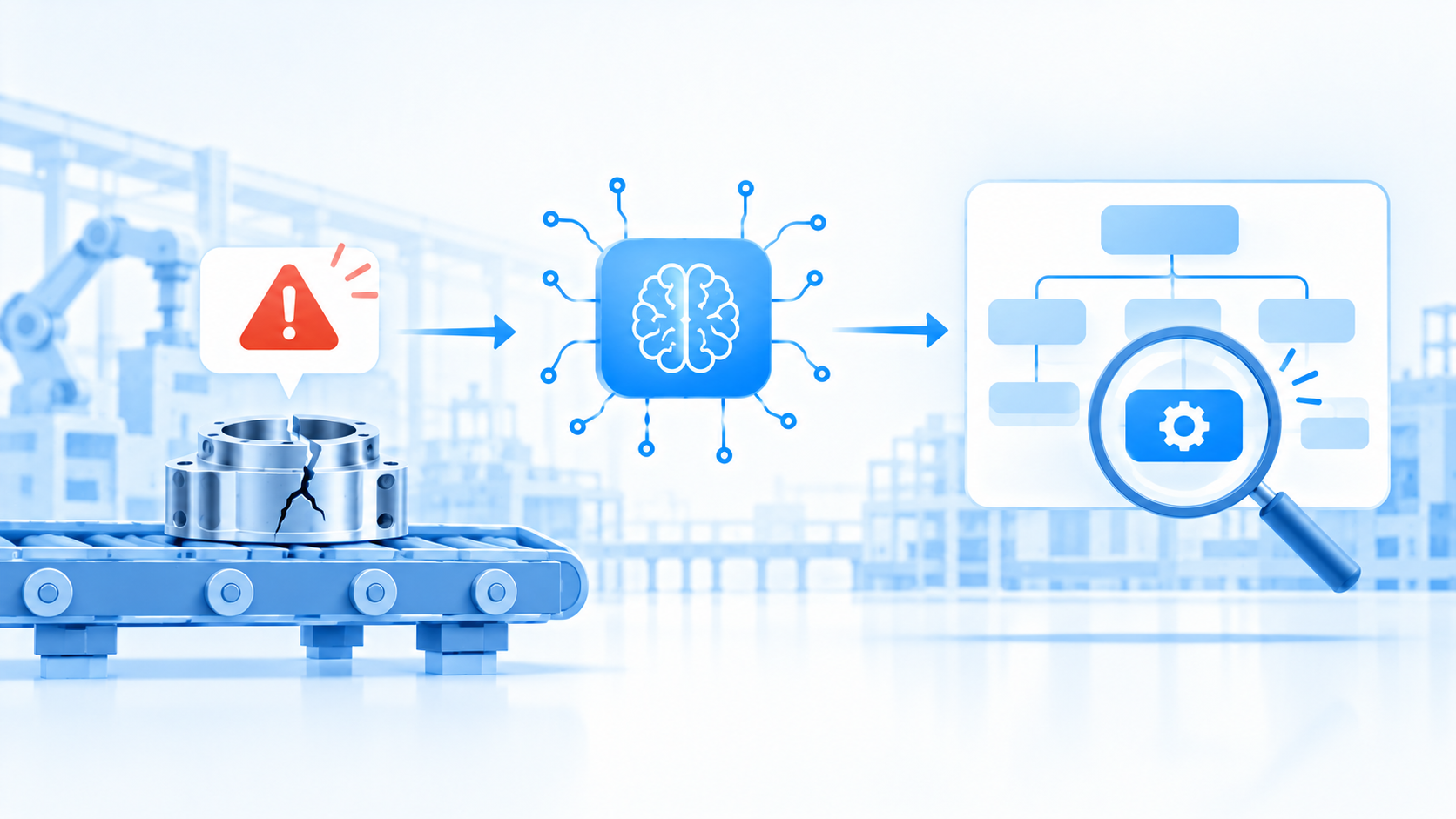
Picture yourself running a factory where hundreds or even thousands of products are made every day. How do you make sure every product meets your quality standards? How do you catch mistakes before they reach customers? And how do you stop the same problems from happening again?
These are everyday challenges for manufacturers. Traditional quality checks can help, but keeping track of everything becomes harder as production grows. This is where AI-powered quality management can make a real difference.
By helping businesses spot defects, understand recurring problems, and make better decisions, artificial intelligence is changing how factories manage quality. Let's look at what manufacturers need to know about this technology.
What Is AI-Powered Quality Management?
Quality management involves everything a business does to make sure its products meet the required standards. It includes inspecting products, tracking defects, maintaining records, and improving production processes.
An AI quality management system uses artificial intelligence to help with these activities. It can analyze production data, identify unusual patterns, and flag possible quality issues before they become bigger problems.
For example, if a factory starts producing more defective parts than usual, AI may help identify patterns in machine performance or production conditions that could explain the change.
Instead of relying entirely on manual checks, manufacturers gain another way to understand what is happening on the production floor.
How AI Is Changing Quality Management
1. Finding Defects Faster
Checking every product manually takes time, especially when production lines are moving quickly.
AI quality inspection systems can use cameras and image recognition to identify visible problems such as cracks, scratches, dents, or missing components.
Products that appear faulty can be flagged for further inspection. This helps workers catch defects earlier and reduces the chances of defective products reaching customers.
2. Identifying Recurring Quality Problems
Sometimes, a factory keeps producing the same defect even after workers fix individual products.
AI can analyze inspection records, machine data, and maintenance history to find patterns linked to recurring problems.
For example, a manufacturer might discover that a particular defect appears more frequently when a machine operates at a certain temperature. This gives the team a useful starting point for investigating the cause and preventing future mistakes. Our article on AI for root cause analysis in manufacturing explains this process in more detail.
3. Monitoring Quality During Production
Waiting until the end of production to check quality can be expensive. By then, faulty products may already have consumed considerable time and materials.
AI-powered quality control can help monitor production data as work progresses. When the system identifies unusual changes, it can alert employees so they can investigate before the problem affects more products.
This makes it easier to address quality issues while production is still underway.
4. Making Quality Records Easier to Understand
Manufacturers often collect large amounts of information from inspections, customer complaints, machine logs, and repair records.
AI can help organize and analyze these records to highlight trends that might otherwise be difficult to notice.
For example, teams may discover that certain defects occur more often on a particular production line. These insights help managers decide where improvements are most urgently needed.
AI findings still need to be checked, since patterns in data do not always prove what caused a problem.
Key Benefits of AI in Quality Management
AI in manufacturing quality control offers several practical advantages:
- Less waste: Catching defects early reduces the number of products that need to be discarded or repaired.
- Lower costs: Fewer quality problems mean less spending on rework and replacements.
- Faster inspections: Automated checks can examine products quickly.
- More consistent standards: AI can apply the same inspection criteria across large numbers of products.
- Better decisions: Quality teams can use production data to investigate problems more effectively.
How Manufacturers Can Get Started
Manufacturers do not need to automate every quality process immediately. A good starting point is to identify a recurring problem, such as frequent defects or costly rework.
Next, businesses can review their existing quality records and choose an AI tool suited to that problem. They should test it on a small scale, check its accuracy, and measure whether it improves quality or reduces costs. A manufacturing ERP system can help keep inspection, production, and inventory records in one place, which makes quality data easier to review.
Employee training is equally important. AI should support the experience of quality inspectors and production teams, not replace their judgment entirely.
Final Thoughts
Managing product quality becomes more challenging as manufacturing operations grow. AI-powered quality management gives businesses additional ways to detect defects, understand recurring problems, and improve production processes.
While AI cannot guarantee perfect products, it can help manufacturers act earlier and make more informed decisions.
By combining AI tools with experienced employees and reliable quality procedures, businesses can reduce waste, improve consistency, and deliver products customers can trust. Businesses planning this kind of data-driven approach can also explore Bigsun's ERP software.