
From Reactive Maintenance to Asset Intelligence: What Changes?
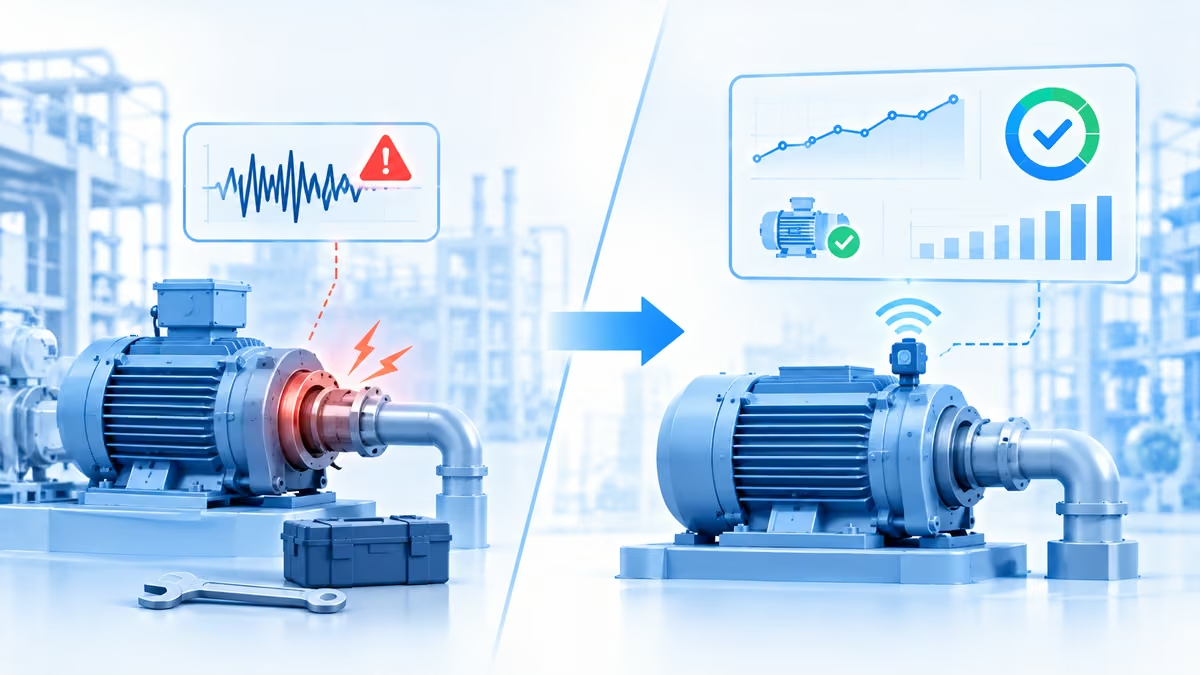
Reactive maintenance means fixing equipment only after it fails. Asset intelligence means using data about an asset’s condition, usage, history and cost to decide what to do before it fails. The change is simple to state: instead of asking “What broke?”, a business starts asking “What is happening with this asset, and what should we do next?”
A production machine that stops in the middle of a busy shift shows the difference clearly. In a reactive setup, the team finds out when output stops, technicians diagnose the fault, and everyone waits. With asset intelligence, the same machine would probably have shown warning signs earlier, such as unusual vibration or rising temperature, and the repair could have been scheduled at a quieter time.
This article explains what changes, how the data side works, which industries benefit, and what a business needs in place to make the move.
What Is Reactive Maintenance?
Reactive maintenance, sometimes called run-to-failure or breakdown maintenance, is the practice of repairing equipment after it breaks down or stops working. There is no scheduled intervention. The maintenance team responds to reported problems.
It is not always the wrong choice. For inexpensive, easily replaced or non-critical equipment, waiting for failure can be reasonable. The trouble starts when the same approach is applied to assets that production, patient care or project schedules depend on.
Why Does Reactive Maintenance Create Operational Challenges?
Because failures arrive without warning, everything around them becomes unplanned. Common problems include:
- Unexpected downtime. Work stops until the fault is found and fixed, and orders, shifts or appointments can be affected.
- Unpredictable repair costs. Emergency repairs, urgent spare-part purchases and overtime are hard to budget for.
- Longer repairs. If the right spare part is not in stock, a short fault can become a long outage.
- Secondary damage. A small problem left alone can damage other components.
- Scattered records. When fixes are logged in spreadsheets, notebooks or memory, nobody can see which assets fail repeatedly.
The Shift Towards Proactive and Predictive Maintenance
Most organisations do not jump straight from reactive maintenance to advanced analytics. They move through stages.
Preventive maintenance
Preventive maintenance schedules servicing at fixed intervals, based on time or usage, whether or not a fault has appeared. It reduces surprises, though it can lead to servicing that was not strictly needed.
Predictive maintenance
Predictive maintenance monitors equipment condition and uses that data to estimate when maintenance may be needed. A rise in operating temperature or a change in vibration can point to a component that is wearing out. Predictions are not guarantees, and equipment still needs proper inspection, but teams get more information before they decide.
A business can use more than one approach at once, for example reactive maintenance for low-cost equipment and predictive maintenance for critical machinery.
What Is Asset Intelligence?
Asset intelligence is the practice of using asset data to understand performance, condition, risks and maintenance needs across an asset’s whole life. It goes beyond predicting failures. It connects purchase details, location, usage, maintenance history, operating condition, repair expenses and depreciation, so that maintenance, operations and finance teams are looking at the same picture.
Predictive maintenance is one input to asset intelligence. Asset intelligence also answers questions such as which assets cost the most to keep running, which are often unavailable, and whether replacement makes more sense than another repair.
How Do Businesses Collect and Analyse Asset Data?
Data collection does not have to start with sensors. Many businesses begin with the information they already have and improve its quality over time. Useful sources include:
- A central asset register with a unique record for each asset, including purchase date, supplier, location and assigned owner.
- Maintenance records covering inspections, repairs, parts used and technician notes.
- Usage data such as running hours, shifts or output.
- Condition data from sensors or regular inspections, such as temperature and vibration readings.
- Cost data including repair spend, downtime impact and depreciation.
Analysis then looks for patterns: assets that fail repeatedly, readings that drift before a breakdown, maintenance spend that keeps rising. Reliable analysis depends on consistent data entry, so process discipline matters as much as technology.
What Is the Role of Asset Lifecycle Management?
Asset lifecycle management follows an asset from acquisition through installation, use, maintenance and eventual disposal. Asset intelligence depends on it, because decisions at one stage affect the others. A machine bought on the lowest price may cost more over its life in repairs. A machine kept too long may cost more to maintain than a replacement would cost to buy.
When purchase, maintenance and finance records are connected, a business can compare the true cost of owning each asset and plan replacements in advance instead of reacting to failures.
How Does Asset Intelligence Reduce Equipment Downtime?
It reduces downtime in three practical ways:
- Earlier warning. Condition data and maintenance history help teams spot problems before they become breakdowns.
- Better planning. Repairs can be scheduled around production or service demand, and spare parts can be arranged in advance.
- Faster diagnosis. When a fault does occur, a complete service history helps technicians find the cause sooner.
It cannot remove every failure. It reduces the share of failures that come as a surprise.
How Does Predictive Maintenance Improve Operational Efficiency?
Predictive maintenance directs effort to where it is needed. Teams service equipment when its condition suggests it is due, rather than too early or too late. This can cut unnecessary servicing, avoid emergency call-outs and keep production schedules steadier. It also helps maintenance staff prioritise: the asset showing worrying readings gets attention before the one that is running normally.
How Does Asset Intelligence Support Better Business Decisions?
Different teams use the same information in different ways:
- Maintenance teams can prioritise equipment that needs attention first.
- Finance teams can see what it costs to keep ageing assets running and plan capital spending.
- Operations managers can plan around equipment availability instead of constantly reacting.
A typical example is the repair-or-replace decision. If a machine keeps breaking down despite regular repairs, its history shows how much has been spent and how often it has been unavailable. Managers can then judge whether another repair is worthwhile or replacement is the better option.
Which Industries Benefit from Asset Intelligence?
Any business that depends on expensive or critical equipment can benefit. Examples include:
- Manufacturing, where machine availability directly affects output. See Manufacturing ERP.
- Healthcare, where diagnostic and clinical equipment must be dependable and well documented.
- Construction, where plant and machinery move between sites and idle equipment is costly. See Construction ERP.
- Logistics, where vehicles and handling equipment need planned servicing.
- Other asset-heavy businesses, such as facilities, utilities and education.
How Does an Integrated ERP or Asset Management System Support the Shift?
Asset intelligence only works when information is connected. A sensor can flag a problem, but businesses also need the purchase details, assigned location, maintenance history and financial records for the same asset. When these sit in separate spreadsheets and systems, the picture stays incomplete.
An integrated ERP system brings together procurement, inventory, accounting and reporting, so that asset records, repair spend and depreciation can be viewed together. Accounting teams that need the financial side, such as asset values and statutory reporting, can look at Financial Accounting Software (FAS). Bigsun builds ERP software for manufacturing, construction, finance and other sectors; if you want to see how asset records could fit alongside your purchasing and finance data, you can contact the Bigsun team.
Practical Benefits and Implementation Considerations
Benefits to expect
- Fewer unplanned stoppages and emergency repairs.
- Maintenance spending that is easier to plan.
- Clearer repair-or-replace decisions.
- One shared set of asset records across departments.
Where to start
- Build a reliable asset register. Record every important asset with a unique identity, location and owner.
- Capture maintenance history consistently. Use the same fields and the same process every time.
- Start with critical assets. Apply condition monitoring where a breakdown hurts most, not everywhere at once.
- Involve the people who maintain the equipment. Data quality depends on them.
- Review and refine. Use the first few months of data to adjust schedules and priorities.
You do not need expensive sensors or advanced AI on day one. A reliable asset register, accurate maintenance history and consistent data collection are a solid foundation. For help choosing the wider system, read our 5-step guide to choosing the right ERP software. If you are also deciding how to identify and locate assets, see our article on choosing between barcode, QR, RFID and GPS tracking.
Final Thoughts
Moving from reactive maintenance to asset intelligence is less about installing newer technology and more about changing how a business thinks about the equipment it owns. Better records lead to better questions, and better questions lead to fewer surprises. The result is less avoidable downtime, more predictable maintenance spending and more value from the assets already in use.