
AI-Powered Defect Detection: The Future of Quality Inspection
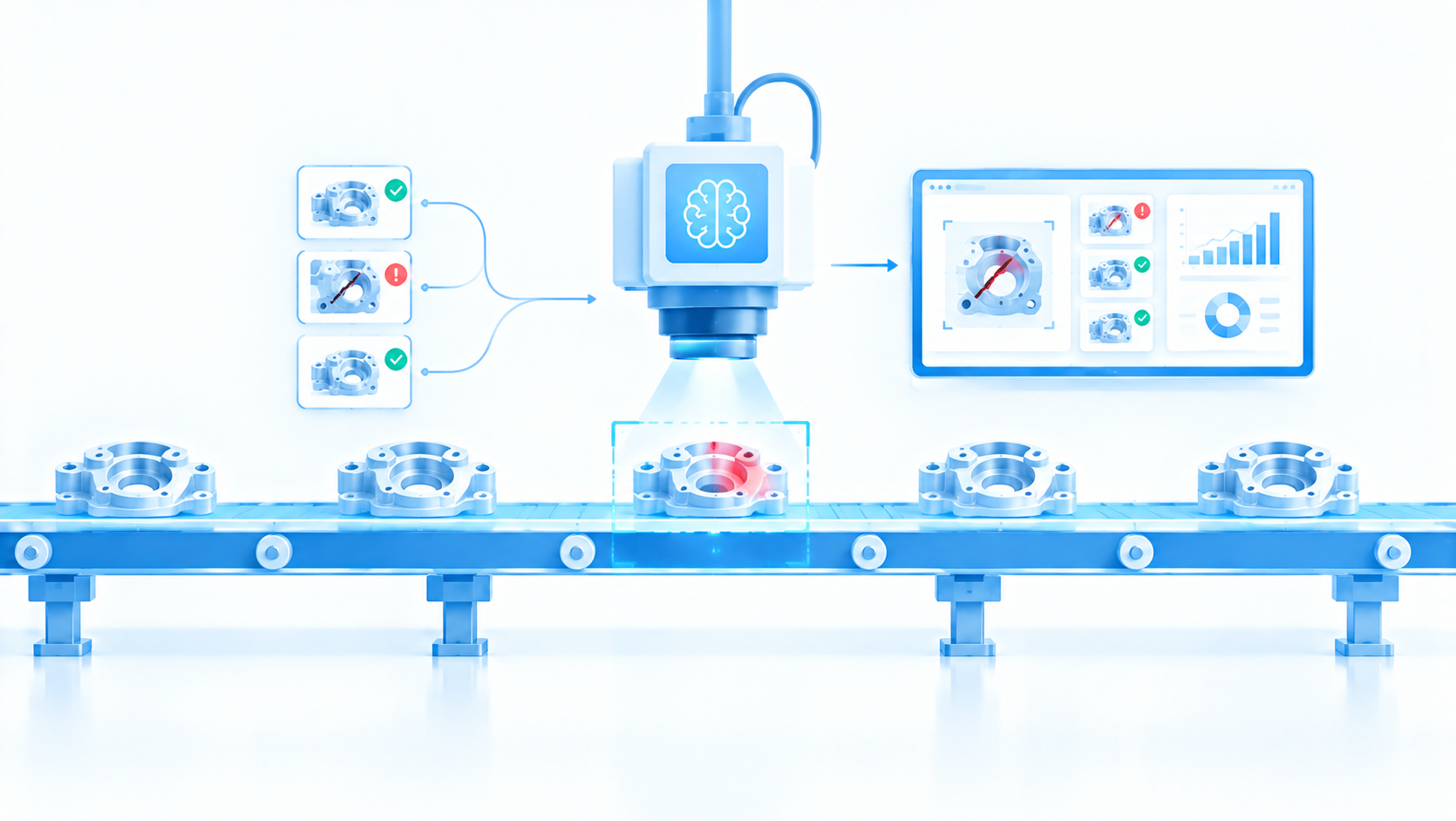
Imagine a factory producing thousands of products every day. Every item needs to be checked for scratches, cracks, missing parts, or other defects before it reaches a customer. Checking each product manually takes time, and even experienced workers can occasionally miss something.
This is where AI-powered defect detection is changing the game. By using cameras and artificial intelligence to examine products, manufacturers can identify problems faster and maintain more consistent quality.
From electronics and automobiles to food packaging, AI inspection systems are helping businesses catch mistakes before they become expensive problems. Let's explore how this technology works and why it is becoming an important part of modern manufacturing.
Why Defect Detection Matters
A small manufacturing defect can create a surprisingly big problem. A faulty component might damage a finished product, while incorrect packaging could lead to customer complaints or product recalls.
Traditional quality inspection often depends on workers examining products individually. Although human inspectors remain valuable, repetitive checks can become tiring, especially when production lines move quickly.
AI quality inspection provides an additional layer of support. It helps manufacturers examine products consistently, identify defects earlier, and reduce the chances of faulty items reaching customers.
How AI-Powered Defect Detection Works
1. Examining Products With Cameras
Think of AI visual inspection as a digital assistant that checks products as they move along a production line.
Cameras capture images of each item, and AI software examines those images for signs of damage or irregularities. It might identify a crack in a plastic component, a scratch on a metal surface, or a missing part in an electronic device.
This allows manufacturers to inspect products quickly without relying entirely on manual checks.
2. Learning to Recognize Defects
AI systems can learn to recognize defects by studying examples of both acceptable and faulty products.
For instance, a manufacturer can provide images of properly assembled components alongside examples showing common defects. The AI model learns to distinguish between the two and applies that knowledge when inspecting new products.
The quality of these examples matters. A system trained on limited or poor-quality data may struggle to recognize unfamiliar defects, so regular testing and improvement are important.
3. Detecting Problems During Production
Finding a defect after a product has been fully assembled can mean wasted materials, extra labour, and expensive rework.
Automated defect detection helps identify problems earlier in the production process. If a system notices that a batch of components has an unusual shape or surface mark, it can flag the items for further inspection.
Workers can then investigate the issue before more defective products are manufactured.
4. Maintaining Consistent Inspection
Human inspectors may judge similar defects differently, particularly during long shifts. AI inspection systems can apply the same programmed inspection criteria across large numbers of products.
This makes it easier for manufacturers to maintain consistent standards across production batches. However, AI is not always right, so human review remains important for unusual cases and critical quality decisions.
Key Benefits of AI Quality Inspection
AI-powered quality inspection offers several practical advantages:
- Faster inspections: Products can be examined quickly, even on busy production lines.
- Reduced waste: Detecting defects early helps prevent further work on faulty items.
- Lower costs: Fewer defects can mean less rework, fewer replacements, and reduced material losses.
- Improved consistency: Automated checks help apply inspection rules more uniformly.
- Better quality records: Inspection data can reveal recurring problems and help teams improve production.
Industries Using AI Defect Detection
AI defect detection is useful across many industries. Automobile manufacturers can inspect vehicle components for surface damage, while electronics companies can identify missing parts or assembly issues.
Food and packaging businesses can use visual inspection to spot damaged packaging, incorrect labels, or improperly sealed containers. Metalworking companies can also use AI to identify surface imperfections.
The exact results depend on the product, lighting, camera quality, and type of defect being inspected.
How Manufacturers Can Get Started
Manufacturers can begin by identifying a product or production stage where defects occur frequently. They can then collect suitable images, select an AI inspection solution, and test its ability to recognize known problems.
Starting with a small project makes it easier to measure accuracy, time savings, and reductions in defective products before expanding the system.
Final Thoughts
AI-powered defect detection is changing how manufacturers approach quality inspection. By helping businesses identify problems faster and more consistently, it can reduce waste, control costs, and improve product quality.
AI will not replace every human inspector, nor will it catch every defect. But when combined with experienced workers and a well-designed quality process, it can become a valuable tool for building better products and keeping customers satisfied.