
How AI Helps Manufacturers Extend Machine Life
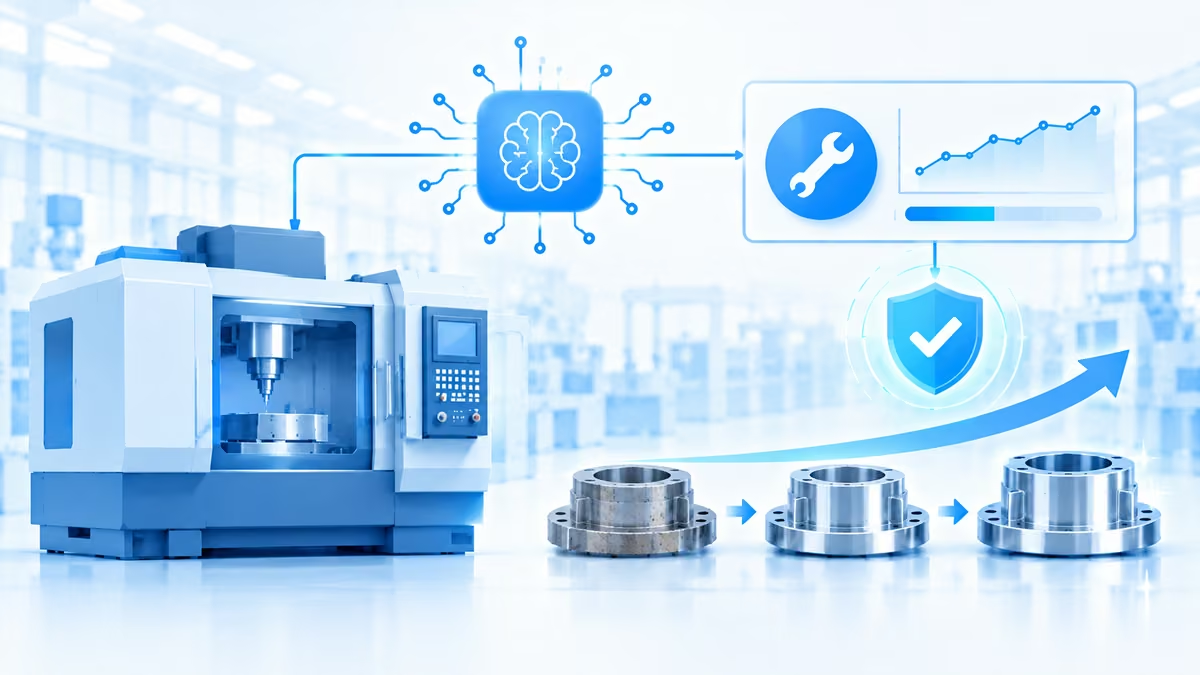
Machines are essential in manufacturing. From assembly lines to large industrial tools, each machine contributes significantly to the smooth operation of production processes. However, constant use, wear and tear, and unexpected malfunctions can reduce the lifespan of equipment and raise the cost of running operations.
This is where artificial intelligence (AI) can offer significant improvements. By examining data from machines, identifying potential issues early, and assisting maintenance teams in making better decisions, AI enables manufacturers to spot problems before they become major failures.
With the help of AI-based predictive maintenance, businesses can minimize damage to equipment, avoid unnecessary repairs, and enhance the long-term performance of machinery. When this machine data sits alongside production planning, plant maintenance and inventory in one Manufacturing ERP, maintenance decisions become easier to act on.
Let’s look into how AI supports manufacturers in making their equipment last longer and creating more dependable production systems.
Why Extending Machine Life Is Important
Replacing industrial machinery can be costly. In addition to the initial cost, manufacturers must account for installation, staff training, production halts, and the expenses involved in getting rid of outdated equipment.
Extending the life of machinery allows businesses to get more value from their current investments. Regular maintenance also enhances workplace safety, reduces sudden stoppages, and helps maintain a steady product quality.
Traditional maintenance practices often depend on set schedules or repairs that happen after a failure. Although these methods have their place, they may not catch early signs of equipment wear and tear. AI-based maintenance provides a more forward-thinking strategy by offering teams a clearer understanding of what is happening inside their machines.
How AI Assists in Extending Machine Life
1. Detecting Equipment Failures Early
AI predictive maintenance uses data from sensors, machine logs, and system operations to detect patterns that could point to developing issues.
For example, abnormal vibrations in a motor might suggest wear on the bearings. AI can notify technicians about these changes so they can investigate before the issue causes more damage.
This early action helps manufacturers prevent small problems from turning into expensive failures.
2. Monitoring Machine Health in Real Time
AI for industrial machinery can evaluate parameters such as temperature, pressure, vibration, and energy usage.
By continuously tracking these conditions, AI systems can inform maintenance teams when equipment is operating outside its normal range. This allows technicians to address possible issues before they impact key parts of the machine.
3. Optimizing Maintenance Schedules
Fixed maintenance schedules may sometimes result in unnecessary servicing or missed problems between inspections.
AI maintenance tools use data on the machine’s condition and past performance to suggest when maintenance may be required. This enables manufacturers to perform maintenance based on the real condition of the equipment rather than following a fixed timetable.
As a result, businesses can cut down on unnecessary maintenance while protecting important parts of the machine.
4. Reducing Overloading and Excessive Wear
Using machines beyond their recommended capacity can cause rapid wear and reduce their useful life.
AI in manufacturing can review workloads, production speeds, and operating conditions to identify patterns linked to heavy stress. It can help teams adjust machine settings, distribute workloads more evenly, and avoid unnecessary stress on vital components.
These adjustments support more efficient operations and help equipment remain reliable for a longer time.
5. Estimating the Remaining Life of Machines
AI-based predictive maintenance can also predict the remaining useful life of individual parts. Using historical records and current performance data, AI models can forecast how long a part might continue to function before needing repair or replacement.
These estimates assist manufacturers in planning maintenance, ordering spare parts in advance, and avoiding replacing parts that still have useful life remaining.
Key Benefits of AI-Driven Machine Maintenance
AI maintenance solutions provide several benefits for manufacturers:
- Lower repair costs: Early detection of faults helps prevent more expensive damage.
- Reduced downtime: Maintenance can be done before failures disrupt production.
- Longer equipment life: Timely servicing and improved operating conditions reduce avoidable wear.
- Better resource planning: Maintenance teams can focus on equipment that needs attention most.
- Improved productivity: Reliable equipment supports more consistent performance in production lines.
These benefits depend on the quality of data, proper implementation, and the involvement of technicians in following the system’s recommendations. While AI supports maintenance decisions, it does not replace the need for human expertise.
How Manufacturers Can Introduce AI Maintenance Systems
Manufacturers do not need to overhaul their entire facility at once. They can start by identifying machines that frequently break down or have high replacement costs.
Next, they can gather relevant data through sensors, machine controllers, and existing maintenance records. An AI system can then review this data to find unusual trends and generate maintenance alerts.
It is best to start with a small pilot project, measure its impact on breakdowns and repair costs, and expand the approach as results are clear. Staff training and regular checks of AI predictions are equally important to ensure that recommendations remain useful.
Bigsun’s plant maintenance module in ERP and ERP-based capacity planning show how maintenance records and production capacity can be tracked together. To see how a manufacturer runs operations on one platform, read the manufacturing and distribution ERP case study.
Final Thoughts
Extending machine life is not just about repairing equipment when something goes wrong. It requires understanding how machines perform, recognizing early signs of deterioration, and taking action at the right time. AI for machine maintenance helps manufacturers move towards this proactive approach.
As smart manufacturing continues to evolve, extending machine life with AI will become an increasingly valuable strategy for manufacturers looking to get more from their existing machinery.
Planning to bring maintenance, production and inventory together? Explore Bigsun Manufacturing ERP or contact our team to discuss your plant.
Related Reading
- Using AI to Reduce Unplanned Downtime in Manufacturing
- How AI-Powered ERP Is Changing Manufacturing Management
- Best Plant Maintenance & Scheduling Software in India